
About
The Chair
About the Chair
UNESCO Chair on Health, Race and Human Rights
Health inequalities among racialized groups are a widespread concern globally. Major contributors to health disparities between racialized and non-racialized populations include unequal access to social determinants of health, including education, employment, and housing. Structural racism and discrimination also have profound impacts on morbidity and mortality, while law and legal institutions play a significant role in shaping racial identity and access to social goods.
Against this backdrop, the UNESCO Chair on Health, Race and Human Rights at the University of British Columbia advances interdisciplinary research, teaching, policy engagement, and international collaboration at the intersection of health equity, racial justice, and human rights. UNESCO Chairs are globally recognized institutional partnerships established to foster cooperation between universities, policymakers, civil society actors, and international institutions in advancing research and action on priority global issues. As part of this international network, the Chair contributes to scholarship, public engagement, and policy-oriented initiatives that support the advancement of the Sustainable Development Goals.
Situated at the Peter A. Allard School of Law, the UNESCO Chair on Health, Race and Human Rights is the only UNESCO Chair in the world dedicated specifically to this strategic priority area, responding to a moment marked by deepening inequalities, rising intolerance, and growing threats to the rights and well-being of racialized and vulnerable communities.
Health inequities rooted in structural racism remain one of the most pressing challenges facing societies today. Through this UNESCO Chair, we aim to build on our existing work, advance new areas of inquiry and collaboration, and strengthen a global network of scholars and partners working to better understand these inequalities and develop legal and policy solutions that promote health, dignity and justice.
Dr. Irehobhude O. Iyioha
UNESCO Chair on Health, Race and Human Rights
Program Mandate
The Chair:
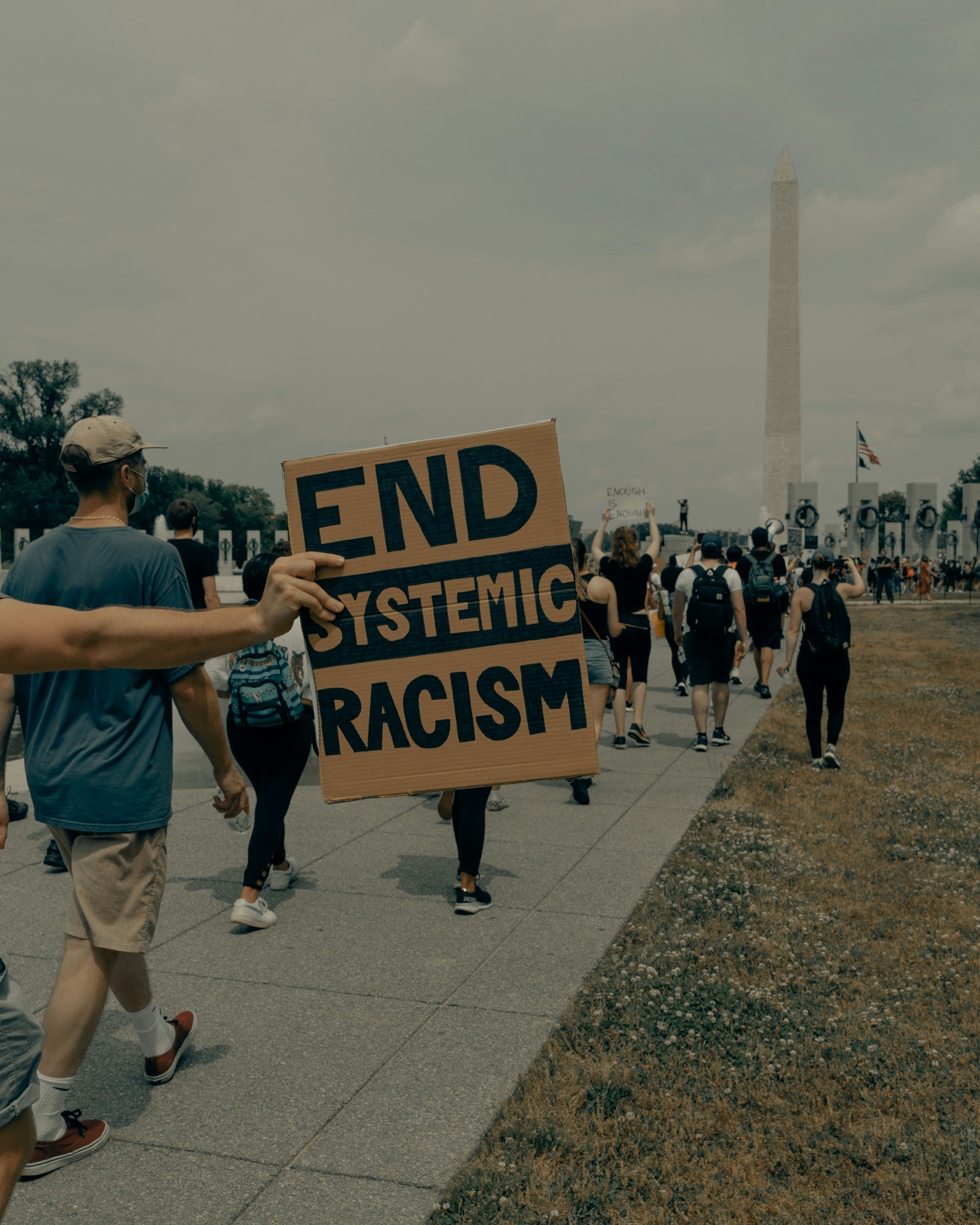
Studies, maps and theorizes how racism, as a socio-legal condition, intersects with other social determinants of health to produce, shape, and perpetuate poor health outcomes among racialized people internationally.
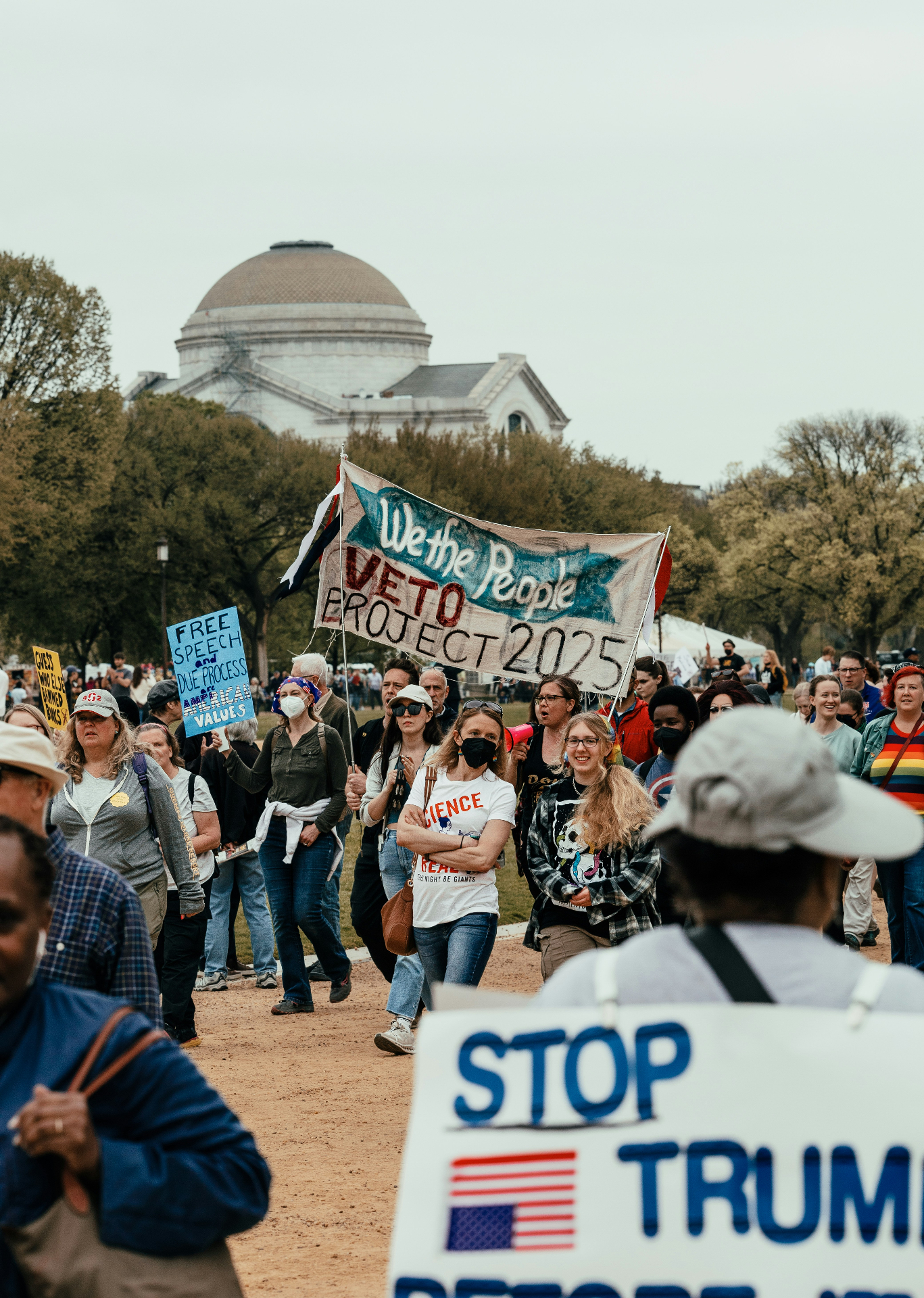
Studies the factors impeding development and implementation of effective normative legal standards on anti-racism, including the impact of regressive racial politics and political ideologies on the health and human rights of racialized populations.
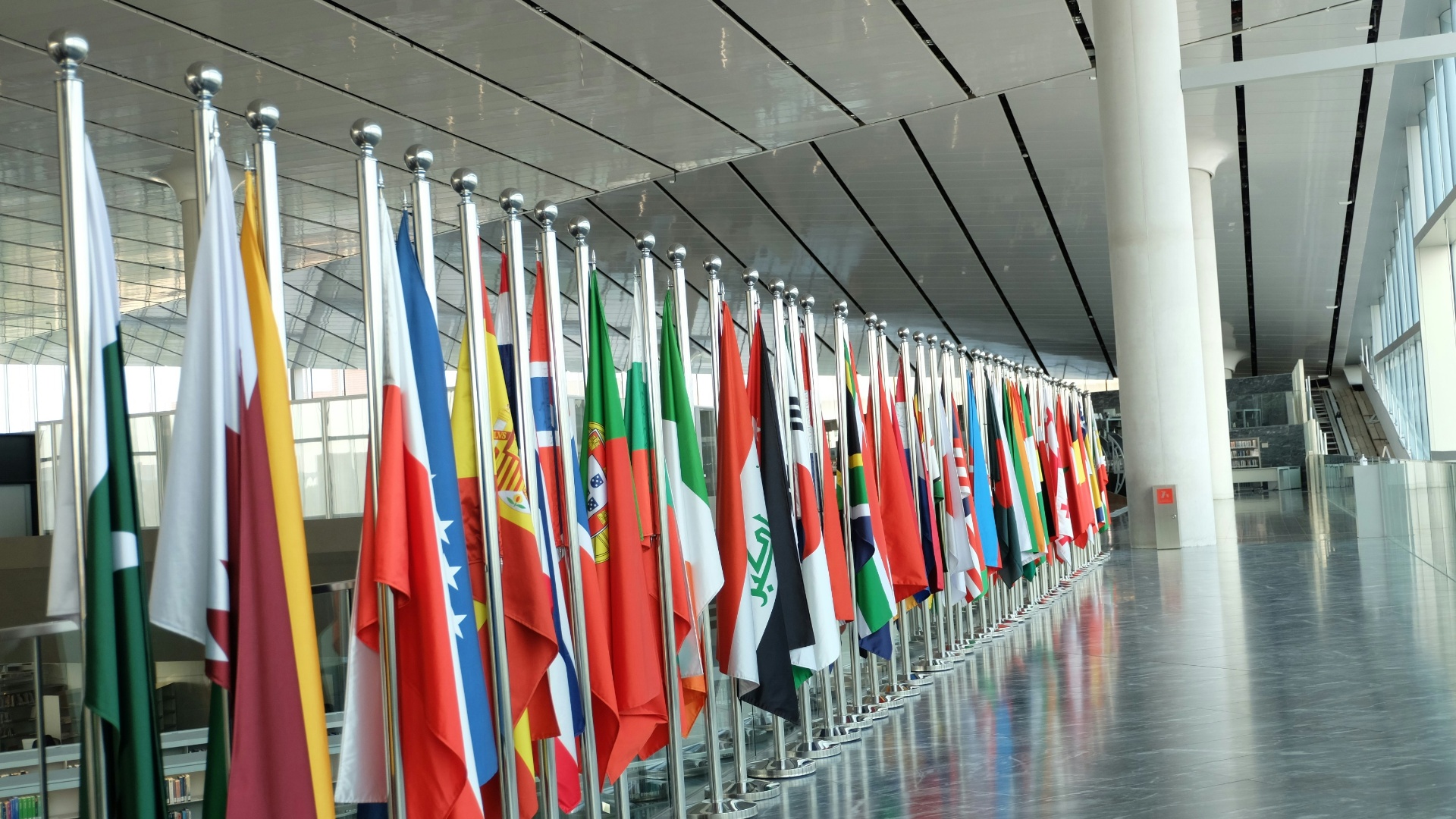
Strengthens educational partnerships in research, teaching, and networking between the Global North and South, as well as advances North-South-South cooperation on critical global healthcare challenges—including effective governance, infectious diseases management, reproductive health, mental health, access to medicines and vaccines, and equitable access to, and development of, new digital health technologies.

Program Goals
Sustainable Development Goals
Recognizing law's consequential role in advancing several Sustainable Development Goals—including good health (SDG3), gender equality (SDG5), reducing inequalities (SDG10), and achieving justice, inclusion, and access to justice (SDG16), the Chair on Health, Race and Human Rights develops a comprehensive program of research and action to study the role, promises and limits of law as a tool for addressing health disparities and guaranteeing equitable access to healthcare for racialized populations.
SDG 3
Good Health
Studying how racism intersects with social determinants to produce and perpetuate poor health outcomes among racialized people internationally.
SDG 5
Gender Equality
Examining the intersectional impacts of race and gender on health access and outcomes across diverse communities.
SDG 10
Reducing Inequalities
Mapping how law and legal institutions shape racial identity and the experiences of racialized individuals.
SDG 16
Peace, Justice and Strong Institutions
Advancing anti-racism strategic plans and strengthening educational partnerships between the Global North and South.